
Hypnotherapy for fear of flying
Does the thought of flying fill you with dread? Do you worry for weeks before a flight, feel tense at take-off or panic during turbulence? I help people explore the anxiety, frightening thoughts and fear of losing control that make flying feel overwhelming, so they can feel calmer on board and look forward to travelling.
Hello, I’m Susannah. I am a fully qualified clinical hypnotherapist with over 20 years of experience, offering hypnotherapy in the City of London, near Liverpool Street, and online. I help people with fear of flying, from nervous travellers who struggle through each flight to those who avoid flying altogether. Contact me to find out more or book your initial consultation.
Prices and appointments · Your first appointment includes hypnosis.

How hypnotherapy for fear of flying works
Hypnotherapy works with the automatic thoughts, feelings and reactions often described as the subconscious mind. You might know that a bump or change in engine noise is normal, yet find your body reacting before you have time to think. Sessions address that learned link between flying and danger, alongside the stress that keeps you on alert.
In hypnosis, focused attention, relaxation and therapeutic suggestions help you practise a different response. We can work on the frightening scenes you picture, the belief that you cannot cope without being in control, or the habit of scanning the cabin crew for signs of trouble. The aim is to feel more settled before you travel and calmer on board.
The benefits of hypnotherapy for fear of flying
Feeling calmer about flying can open up both work and travel. Benefits can include:
- sleeping well in the run-up to a trip
- feeling settled at the airport
- staying calmer during take-off and landing
- coping more easily with turbulence
- saying yes to business trips and conferences
- holidays and family visits abroad
- enjoying the trip from the start
If you would like help with a fear of flying, contact me to find out more or book your initial consultation.



Try my free hypnosis audio
Try my free 30-minute guided relaxation audio and get a feel for my voice and approach.
What is a fear of flying?
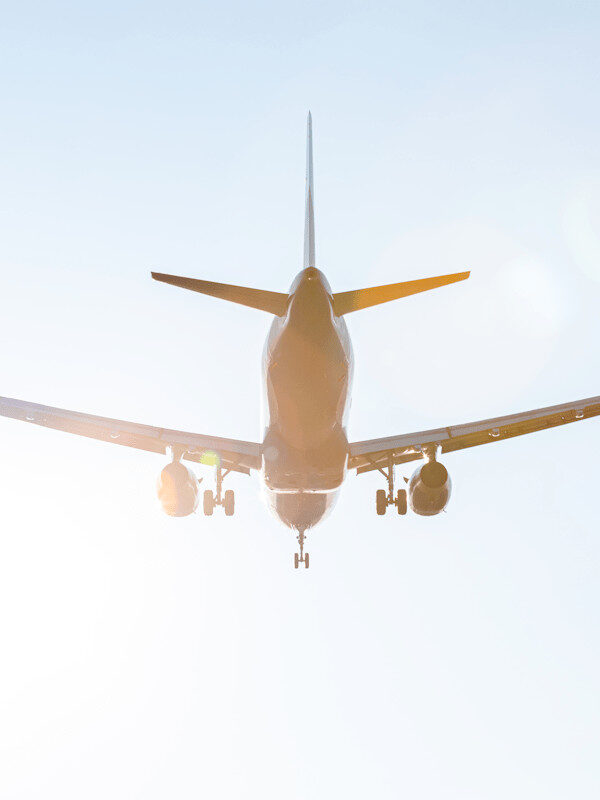
A fear of flying, also called aerophobia or flight anxiety, ranges from nerves before take-off to avoiding planes altogether. Many people who fear flying know it is one of the safest ways to travel, and they still feel intense anxiety.
Some people fly with great difficulty, relying on distractions or alcohol to get through. Others stop flying completely and plan their lives around avoiding it.
Common fears about flying
A fear of flying is often made up of several fears at once. Common ones include:
- turbulence
- the plane crashing
- having no control
- feeling trapped once the doors close
- heights
- take-off or landing
- having a panic attack on board
- feeling sick or unwell during the flight
- unfamiliar noises and announcements
Knowing which fears apply to you helps shape how hypnotherapy is used.
Mental rehearsal with fear of flying hypnosis
Fear of flying hypnosis usually includes mental rehearsal. While relaxed, you picture each stage of the trip, from packing and arriving at the airport to take-off, cruising and landing. You can also rehearse handling turbulence calmly.
Imagining the journey while feeling relaxed gives you an opportunity to practise responses you want to use on the flight. We can repeat the moments you find hardest, helping them feel more familiar and reducing the expectation that you will panic.
Working with a hypnotherapist for fear of flying
Working with a hypnotherapist for fear of flying starts with an initial consultation. We talk about which parts of flying you find hardest and what you would like to be able to do. That might be a family holiday or a business trip.
I also explain how stress and automatic fear responses contribute to flying anxiety. The first session includes hypnosis, so the work begins straight away.
My approach is solution-focused, so sessions concentrate on how you want to feel when you fly. If you have a flight booked, it helps to get in touch well before you travel.
What happens in a fear of flying hypnotherapy session
Each session after the first starts with a conversation about what has gone well and what you would like to work on next. Noticing progress helps you build on positive change.
The rest of the session is hypnosis, using suggestions and imagery tailored to your flight and your fears. After each session, you receive the personalised recording of that session to listen to before the next one. You can also listen at the airport or on the plane when you are seated safely and do not need to pay attention to instructions.
What triggers flying anxiety?
Flying anxiety often starts long before the flight. Booking tickets, packing or seeing the date approach can all set it off.
On the day, triggers can include security queues, boarding, the doors closing and the engines powering up for take-off. In the air, a change in engine noise, a bump or the seatbelt sign coming on can bring a sudden surge of fear. News stories about air accidents can also keep the fear going.
Physical symptoms of fear of flying
When the brain senses danger, it sets off the fight or flight response. On a plane, or even when thinking about one, this can cause:
- a racing heart
- sweating or clammy hands
- shaking or trembling
- nausea or an upset stomach
- shallow breathing or feeling short of breath
- dizziness
- tense muscles and gripping the armrests
- difficulty sleeping in the days before a trip
These are signs of the body preparing to deal with danger, even while you are sitting still in your seat.
Hypnotherapy for anxiety before a flight
For many people, the weeks before a flight are worse than the flight itself. The mind runs through what could go wrong, and sleep suffers as the date gets closer.
Some people check weather forecasts and turbulence maps, read about the aircraft or look up safety records. Others avoid thinking about the trip at all until the last minute. Repeated checking and avoidance can keep your attention on danger and make the fear harder to shake.
In hypnosis, we can work on the thoughts that start as soon as you book, rehearse preparing for the journey calmly and reduce the need to keep checking for reassurance. For worry that also affects other parts of life, read about anxiety hypnotherapy.
Hypnotherapy for panic and feeling trapped on a plane
Once the doors close, there is no way off until you land, and for many people that is the hardest part. Feeling trapped can bring on a panic attack, with a pounding heart, fast breathing and a strong urge to escape.
Many people also worry about panicking in front of other passengers. The fear of having a panic attack can become as strong as the fear of flying itself.
We can work specifically on the moment the doors close, the thought that you must get out and the sensations you associate with panic. Rehearsing staying seated and allowing the initial anxiety to settle helps build confidence in being a passenger. If enclosed spaces are difficult elsewhere too, see hypnotherapy for claustrophobia.
Hypnotherapy for fear of turbulence
Turbulence is a common trigger for flying anxiety. The sudden movement can make you grip the armrests or imagine something is wrong, even when the crew have explained what is happening.
In hypnosis, we can work on the link between a bump and a frightening conclusion. Mental rehearsal gives you a chance to picture movement while keeping your muscles and breathing more relaxed. On board, continue to follow the crew’s instructions and seatbelt guidance.
How a fear of flying affects your career
For many people, flying is part of the job. A fear of flying can mean turning down business trips, missing conferences or relying on colleagues to meet clients abroad.
Some people take long train journeys or drive for hours to avoid a short flight. Others fly but arrive exhausted from days of worry, which affects how they perform. Over time, it can limit promotions and roles with international responsibility.
How a fear of flying limits your life
A fear of flying can shape where you go on holiday, or whether you go at all. Many people miss weddings, family visits and milestone birthdays abroad, or watch others travel without them.
It can also put a strain on relationships when a partner or children want to fly. Some people feel guilty about the trips their family misses because of their fear.
Who is affected by a fear of flying?
A fear of flying can affect anyone, including people who flew happily for years. It often develops in adulthood, sometimes after:
- a bumpy or frightening flight
- becoming a parent
- a period of stress or anxiety
- a panic attack in another enclosed space
- news coverage of an air accident
- a long break from flying
Frequent business travellers can develop it too, even after years of easy flights.
What causes a fear of flying?
A fear of flying usually develops from a mix of factors. A difficult flight, a general tendency to anxiety, or a fear of heights or enclosed spaces can all play a part. For some people, the main issue is handing control to someone else.
Stress can make you more alert to possible danger, so a fear that was manageable becomes harder to handle. Avoiding a flight brings immediate relief, but it also removes the chance to discover that you can manage the journey.
Fear of flying and the subconscious mind
Most people with a fear of flying know the facts about air safety, and the fear stays. The reaction can happen automatically: you hear the engines change, feel your stomach tighten and picture danger before you have thought it through.
These learned associations are often described as subconscious. Hypnotherapy works with the expectations, images and physical reactions involved, helping you develop a calmer response rather than relying on safety statistics alone.
What hypnosis for fear of flying feels like
Hypnosis is a state of focused attention, often accompanied by deep relaxation. You can be absorbed in the suggestions and imagery while still aware of where you are.
Clinical hypnosis is different from stage hypnosis. Most people find it relaxing, including when we rehearse stages of a flight. The suggestions are tailored to the reactions and situations you want to change.
Fear of flying hypnotherapy alongside fear of flying courses
Some airlines and specialist organisations run fear of flying courses, which explain how aircraft work and sometimes include a short flight. These can be very useful. Some people complete a course and understand the facts, yet still feel the fear.
Fear of flying hypnotherapy works on the emotional response and automatic expectations, so the two approaches can complement each other. You may get more from a course, or feel ready to book one, once the anxiety has eased.
Is hypnotherapy for fear of flying right for you?
Hypnotherapy for fear of flying can suit people whose fear affects their travel, from mild nerves to avoiding planes completely. We discuss your goals, any upcoming flight and what you can practise between sessions.
If you have a medical condition that could affect flying, or you experience frequent panic attacks, speak to your GP as well. Hypnotherapy can be used alongside other support.
Choosing a hypnotherapist for fear of flying
When choosing a hypnotherapist for fear of flying, look for recognised qualifications and experience of working with anxiety and phobias. An initial consultation is a good chance to ask questions and see how the approach would work for your trip.
I hold the SQHP and HPD qualifications and have been practising as a clinical hypnotherapist since 2003. Read about my experience and qualifications.
Research on hypnotherapy for fear of flying and anxiety
A 2015 study by Spiegel and colleagues followed patients treated with hypnosis and a problem-restructuring approach for flying phobia. It reported positive effects for some patients. This was follow-up research without a comparison group, rather than a controlled trial.
A 2019 meta-analysis by Valentine and colleagues examined 15 studies covering 17 trials and found that hypnosis reduced anxiety compared with control conditions. Results were stronger when hypnosis was combined with other psychological approaches. This provides evidence about anxiety more broadly, rather than a specific success rate for fear of flying.
Fear of flying hypnotherapy: your questions answered
Answers about flying anxiety, how hypnosis is used, and preparing for travel with sessions in London or online.
Understanding fear of flying
What is fear of flying?
Fear of flying, sometimes called flying phobia or aviophobia, is anxiety about travelling by plane. It can range from enduring flights in distress to avoiding them completely. For some people, the worry starts weeks before departure and affects sleep, work and enjoyment of the trip.
Why am I scared of flying when I know the safety facts?
Knowing the safety facts does not always change an automatic fear response. A noise, movement or closed cabin door can still trigger a racing heart and thoughts of danger. Hypnotherapy addresses these reactions and expectations, rather than simply repeating information you already know.
Can fear of flying start after years of comfortable travel?
Yes. It can follow a frightening flight, a period of stress or a change in your circumstances. Sometimes there is no obvious starting point. You can seek help whether this is a recent fear or something that has affected you for years.
What symptoms can flying anxiety cause?
Flying anxiety can cause a pounding heart, shaking, sweating, nausea, muscle tension or a strong urge to escape. You might also keep checking the weather, listening for changes in engine noise or watching the cabin crew for reassurance. We discuss which reactions affect you most.
Is fear of flying always about a plane crash?
No. You might be more frightened of panicking, feeling trapped, being high above the ground or having no control as a passenger. Identifying the specific fear helps us choose what to address in hypnosis.
Can fear of flying be linked to claustrophobia?
Yes. Some people are mainly frightened of the enclosed cabin or being unable to get off once the doors close. We can address that sense of being trapped alongside flight anxiety. You can also read about my hypnotherapy for claustrophobia.
Can flying anxiety spoil a holiday before it begins?
Yes. Worry about the outward flight can overshadow planning, and fear of the return flight can take over while you are away. Treatment can address this anticipation as well as what happens on board, so you can spend less of the trip preparing for something you dread.
Can I get help if I have avoided flying for years?
Yes. You do not need to be a regular traveller to ask for help. We can begin with booking, arriving at the airport or boarding, depending on what you find difficult, and agree manageable steps towards travelling again.
How hypnotherapy for fear of flying works
Can hypnotherapy help with fear of flying?
Hypnotherapy can help address the frightening expectations and automatic fear responses that make flying difficult. Using hypnosis, suggestions and mental rehearsal, we work towards calmer journeys, less worry beforehand and greater confidence in booking trips you want or need to take.
How does fear of flying hypnosis work with the subconscious?
The subconscious describes the reactions that happen automatically, such as tensing up at a change in engine noise before you have thought it through. In hypnosis, we can address the associations behind those reactions and rehearse responding to flying as an ordinary journey rather than an immediate threat.
What techniques are used in hypnotherapy for flying anxiety?
Sessions can combine clinical hypnosis, therapeutic suggestions, imagery, NLP and coaching. For example, you can mentally rehearse boarding, settling into your seat and hearing the engines without immediately imagining disaster. We also address beliefs about control, danger or your ability to cope with anxiety.
Can hypnotherapy help change the frightening images I imagine before flying?
Yes. If your mind repeatedly plays out a crash, panic attack or other worst-case scene, we can address those images directly. In hypnosis, we can change how you picture the journey and rehearse ordinary stages of the flight with a calmer physical response.
Do I need to remember what caused my fear of flying?
No. We can begin with what frightens you now: turbulence, take-off, enclosed spaces or uncertainty. You do not need to recover a forgotten memory or identify a single cause before treatment can start.
What research is there on hypnosis for fear of flying?
A published follow-up study of 178 flying-phobia patients examined hypnosis combined with a problem-restructuring approach and reported positive treatment effects for some patients. It was an uncontrolled follow-up, so it does not establish a guaranteed success rate. A meta-analysis of hypnosis for anxiety provides broader evidence, particularly for hypnosis combined with other psychological treatment.
Is hypnotherapy the same as a fear of flying course?
No. Individual hypnotherapy focuses on your own fears and automatic reactions. Airline courses usually teach how flying works and may include a supported flight. Understanding the aircraft and addressing your fear can complement one another; the choice depends on what you need help with.
What can improvement from fear of flying hypnotherapy look like?
Useful changes include sleeping better before departure, booking trips you previously avoided and staying more settled during take-off or turbulence. Some people want to enjoy flying; others mainly want to travel comfortably for work or see family. We agree goals that reflect what you want to do.
Specific flying fears and journeys
Can hypnotherapy help with fear of turbulence?
Yes. We can address the instant link between a bump and a frightening conclusion, as well as gripping the seat or constantly checking for danger. In hypnosis, you can rehearse feeling movement while keeping your breathing and muscles more relaxed, rather than treating every bump as a new emergency.
Can hypnotherapy help with fear of take-off and landing?
Yes. We can rehearse the stages you find difficult, including acceleration, changes in sound and the sensation of climbing or descending. Suggestions and imagery focus on responding with less tension and interrupting the expectation that an unfamiliar sensation means something is wrong.
Can hypnotherapy help with panic attacks on a plane?
Hypnotherapy can help address the fear of panicking and the anxious interpretation of physical sensations. We can rehearse noticing a racing heart without immediately assuming you cannot cope. If panic attacks are new, frequent or happen elsewhere too, speak to your GP for assessment and treatment options.
Can hypnotherapy help if I feel trapped when the cabin doors close?
Yes. We can work specifically on the moment the doors close and the thought that you need to get out. In hypnosis, you can rehearse remaining seated, allowing the initial anxiety to settle and directing attention towards the journey rather than repeatedly checking for an escape.
Can hypnotherapy help with fear of losing control while flying?
Yes. Treatment can address the belief that you can only be safe if you personally control what happens. We can rehearse being a passenger without monitoring every noise or movement, and build confidence in handling uncertainty and your own reactions.
Can hypnotherapy help after a frightening flight?
Yes. We can address expectations that the same experience will happen on every journey and the physical tension that comes with remembering it. Tell me if you also have flashbacks, nightmares or significant distress outside flying, so we can discuss the most appropriate support.
Can hypnotherapy help with long-haul flights or flying for work?
Yes. We can address being on board for hours, trying to sleep, travelling alone or worrying that colleagues will notice your anxiety. Mental rehearsal can cover your actual journey, including connections or an overnight flight, rather than a generic short trip.
Can hypnotherapy help if I use alcohol or medication to get through a flight?
We can address the anxiety that makes you feel you need something to get through the journey and practise other ways of responding. Discuss prescribed flight medication with your prescriber before making changes, and follow medical and airline advice about alcohol and medicines. Tell me what you currently use when we discuss treatment.
Your fear of flying hypnotherapy appointments
What happens in the first fear of flying hypnotherapy session?
We discuss your flying history, the parts of the journey you dread and any upcoming travel. The first appointment includes hypnosis as well as this conversation. We begin addressing the fears and reactions that matter for your next steps towards travelling more comfortably.
How many hypnotherapy sessions will I need for fear of flying?
The number depends on the fears involved, how long they have affected you and your response to treatment. We discuss an initial plan and review progress together. Tell me about any departure date so we can plan appointments around the time available.
Can I book hypnotherapy if my flight is coming up soon?
Yes, please contact me with your travel date. We can discuss availability and choose priorities for the time available, such as take-off, panic or worry beforehand. Starting earlier allows more time for sessions and practice between them.
How do I choose a hypnotherapist for fear of flying?
Look for recognised hypnotherapy qualifications, professional registration and experience with fear of flying. Ask how treatment is tailored to your symptoms and how progress is reviewed. I hold the HPD and Senior Qualification in Hypnotherapy Practice, and have worked in hypnotherapy since 2003. You can read more about my training and approach on my About page.
Where do you offer fear of flying hypnotherapy in London?
Appointments are at City Hypnotherapy Centre, Longcroft House, 2–8 Victoria Avenue, London EC2M 4NS, near Liverpool Street station. I also offer online sessions for people who prefer to attend from home.
Do you offer online hypnotherapy for fear of flying?
Yes. Sessions are available by Zoom as well as in London. You need a private, quiet space, a reliable internet connection and somewhere comfortable to sit. Online appointments include discussion and hypnosis focused on your flying concerns.
How much does fear of flying hypnotherapy cost?
Current session fees and appointment information are on my prices page. If you are arranging treatment before a trip, tell me your departure date when you enquire.
How do I book fear of flying hypnotherapy?
Use my contact form or call 07973 896907. Let me know which parts of flying trouble you, whether you prefer London or online appointments, and when you next plan to travel.
Preparing for your journey
Will my fear of flying hypnotherapy include a personalised recording?
Yes. After each session, you receive a personalised recording to listen to between appointments. It helps you practise the relaxation, suggestions and mental rehearsal used in your session.
Can hypnosis help with fear of flying alone?
We can rehearse the parts of travelling alone that worry you, such as boarding without reassurance from a partner or managing anxiety in your seat. The work focuses on trusting your ability to cope and feeling more settled through each stage of the journey.
Can a hypnotherapist for fear of flying help with the return journey too?
Yes. We can include the outward flight, the holiday itself and the journey home in mental rehearsal. This addresses the habit of counting down to the return flight while you are away, so there is more opportunity to enjoy the trip.
Can hypnotherapy help with take-off noises and the seatbelt sign?
Yes. We can work on the immediate thoughts and physical reactions these cues bring up, and rehearse hearing announcements or noticing a change in sound without jumping to the worst conclusion. You continue to follow all cabin-crew instructions.
Have another question? Contact Susannah or call 07973 896907.
Fear of flying hypnotherapy in London and online
Appointments are available at City Hypnotherapy Centre, Longcroft House, 2–8 Victoria Avenue, London EC2M 4NS, near Liverpool Street, and online by Zoom.
View the London practice on Google Maps.
Related treatments
Phobias hypnotherapy · Anxiety hypnotherapy · Claustrophobia hypnotherapy · Fear of heights hypnotherapy